LGBTQ+ History: From Erasure to Resistance and Real Voices
When we talk about LGBTQ+ history, the lived experiences, struggles, and cultural contributions of lesbian, gay, bisexual, transgender, and queer people across time. Also known as queer history, it’s not a side note—it’s the backbone of modern civil rights movements. For decades, this history was buried under silence, censorship, and outright denial. Governments erased records. Doctors called identities diseases. Families turned away. But the truth doesn’t stay hidden forever.
Take bisexual erasure, the widespread refusal to recognize bisexuality as a real, valid identity. Also known as biphobia, it’s not just ignorance—it’s active dismissal, even within LGBTQ+ spaces. People are told they’re confused, going through a phase, or just seeking attention. Meanwhile, lesbian history, the hidden stories of women who loved women across centuries. Also known as female same-sex relationships in archives, was wiped clean from textbooks, burned in libraries, and rewritten as "friendships." And then there’s transgender history, the long line of people who lived outside the gender binary long before modern labels existed. Also known as gender-diverse identities, they were celebrated in places like Samoa as fa'afafine, and hunted in places like 1950s America.
These aren’t just old stories. They’re the foundation of today’s fights. The Stonewall uprising, the 1969 rebellion against police raids on gay bars. Also known as the spark of modern LGBTQ+ activism, didn’t come out of nowhere—it was built on decades of quiet organizing by groups like the Mattachine Society. The Silence = Death poster, a simple black-and-red slogan that turned grief into a movement. Also known as the rallying cry of AIDS activists, didn’t just raise awareness—it forced governments to act. And the fight continues: in courtrooms, in schools, in archives where historians dig through old letters to prove that lesbianism wasn’t imaginary, and in communities where fa'afafine still carry traditions older than colonialism.
What you’ll find here isn’t a sanitized timeline. It’s the messy, real, often dangerous truth—how people fought to be seen, how they built networks in secret, how they turned pain into power. You’ll read about the novels that broke taboos, the posters that changed laws, the archives that were nearly lost, and the identities that refused to disappear. This isn’t just history. It’s proof that visibility isn’t a gift—it’s a demand.
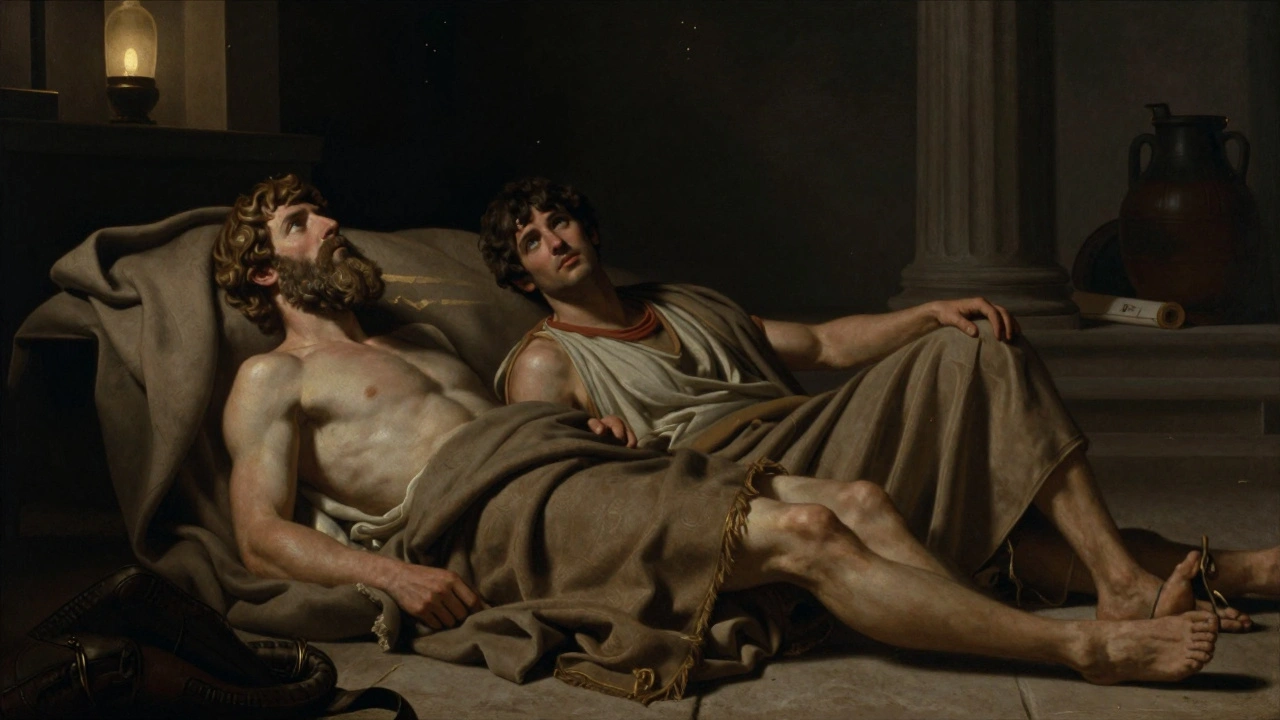
Socrates, Byron, and Hadrian: Same-Sex Attraction in Ancient and Romantic History
Mar 7 2026 / LGBTQ+ HistorySocrates refused physical love to elevate the soul. Hadrian turned his lover into a god. Byron wrote poems that defied a hostile world. Their stories reveal that same-sex love has always existed-not as a trend, but as a quiet force of courage and devotion.
VIEW MORE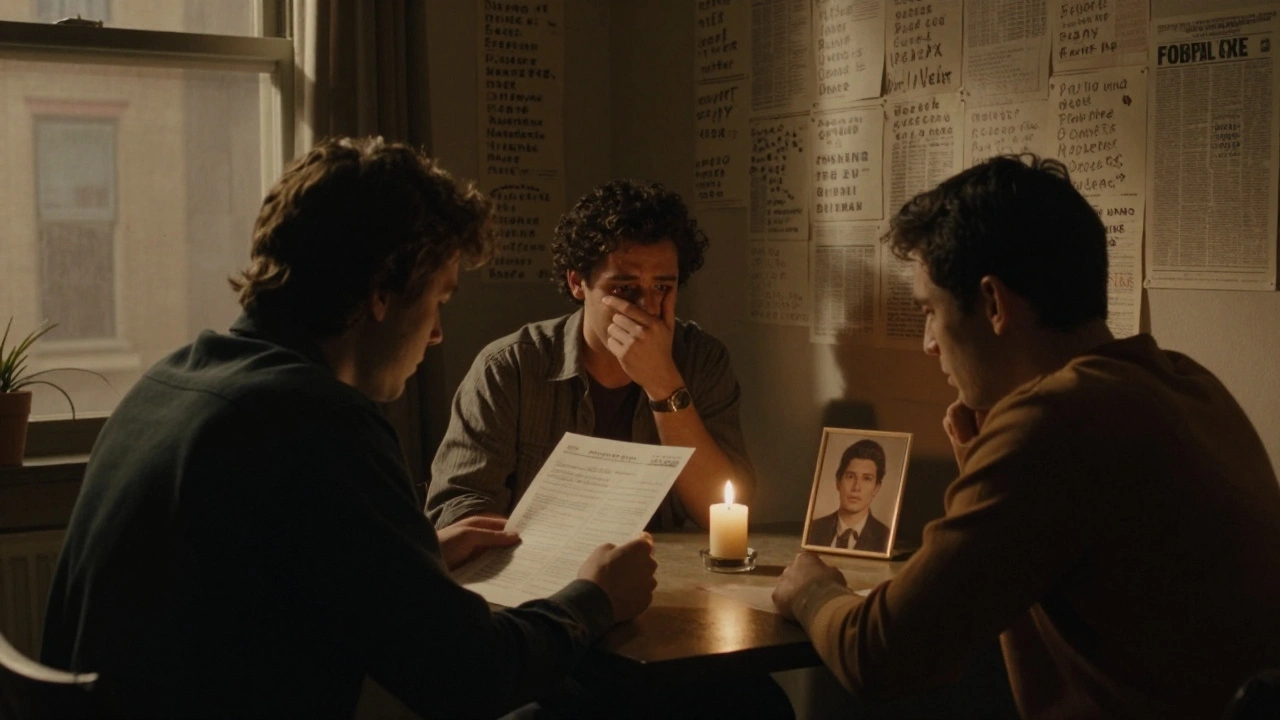
The AIDS Epidemic: Devastation, Stigma, and LGBTQ+ Activism
Feb 23 2026 / LGBTQ+ HistoryThe AIDS epidemic killed over 44 million people worldwide and reshaped LGBTQ+ rights, public health, and activism. From government neglect to community resistance, this is the story of how stigma met solidarity - and why it still matters today.
VIEW MORE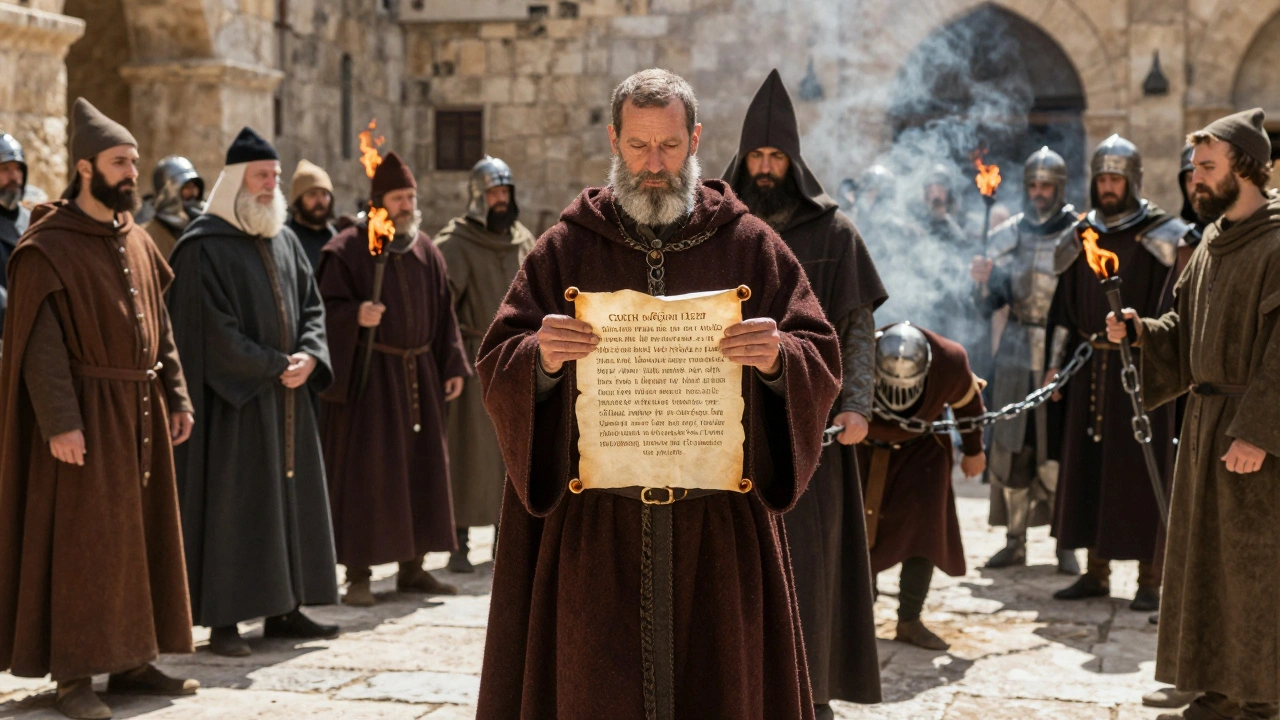
Criminalization of Sodomy: How Medieval Laws Turned Intimacy Into a Death Sentence
Feb 16 2026 / LGBTQ+ HistoryFrom burning at the stake to state-enforced courts, medieval Europe turned same-sex intimacy into a capital crime. This is how laws hardened - and why their legacy still echoes today.
VIEW MORE
How Sexual Identity Categories Were Born in the 1880s
Jan 28 2026 / LGBTQ+ HistoryIn the 1880s, doctors and scientists invented the categories of homosexuality and heterosexuality-not as natural truths, but as medical labels to control and classify human behavior. These ideas still shape how we understand identity today.
VIEW MORE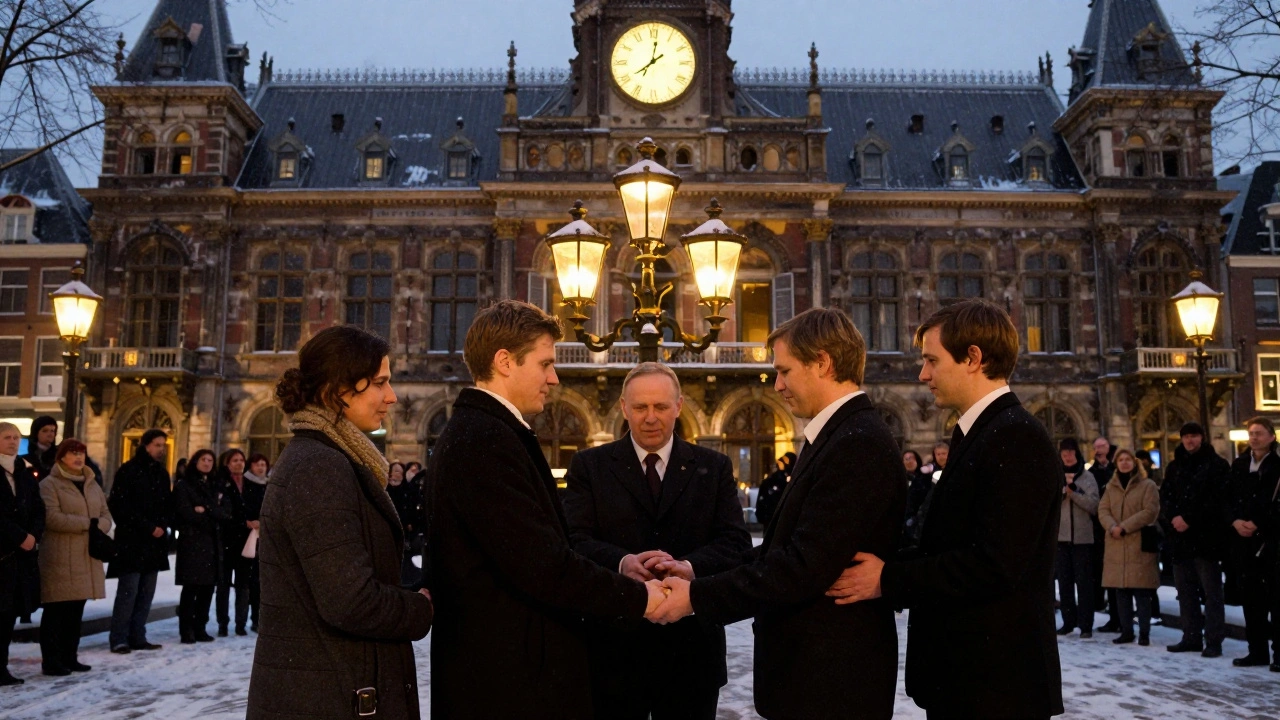
Marriage Equality Timeline: From the Netherlands to Global Recognition
Dec 18 2025 / LGBTQ+ HistoryFrom the Netherlands' groundbreaking 2001 law to global adoption, this is the timeline of marriage equality-how same-sex couples won the right to marry, where it’s legal today, and what still needs to change.
VIEW MORE
Ottoman Bath Masseurs: The Hidden Realities of Same-Sex Interactions in Hamams
Dec 11 2025 / LGBTQ+ HistoryOttoman bath attendants known as telks performed intimate physical services in hamams, where discreet same-sex interactions occurred under the radar of law and religion. This is the hidden history behind the steam.
VIEW MORE
ACT UP: How Direct Action Changed the AIDS Crisis Forever
Dec 8 2025 / LGBTQ+ HistoryACT UP transformed the AIDS crisis through fearless direct action, forcing governments and drug companies to act. Their protests saved millions, changed medical policy, and redefined patient rights - all without waiting for permission.
VIEW MORE
From Acts to Identities: How Homosexuality Became a Modern Category
Dec 4 2025 / LGBTQ+ HistoryHomosexuality as an identity, not just an act, emerged in the 19th century through medical and scientific classification. This shift changed how society sees sexuality, from sin to sickness to rights-and now beyond binaries.
VIEW MORE
Sex Reassignment Without Consent: The Lifelong Harm of Non-Consensual Medical Interventions
Dec 3 2025 / LGBTQ+ HistoryNon-consensual intersex surgeries caused lifelong harm to thousands of infants. This article separates these historical violations from modern, consent-based transgender care-and explores the fight for justice and bodily autonomy.
VIEW MORE
Bisexual Erasure and Validation: How Research and Culture Silence a Majority Identity
Nov 27 2025 / LGBTQ+ HistoryBisexual erasure silences a majority of LGBTQ+ people through denial, demand for proof, and harmful stereotypes. This article explores how research, culture, and even LGBTQ+ spaces contribute to this invisibility-and what real validation looks like.
VIEW MORE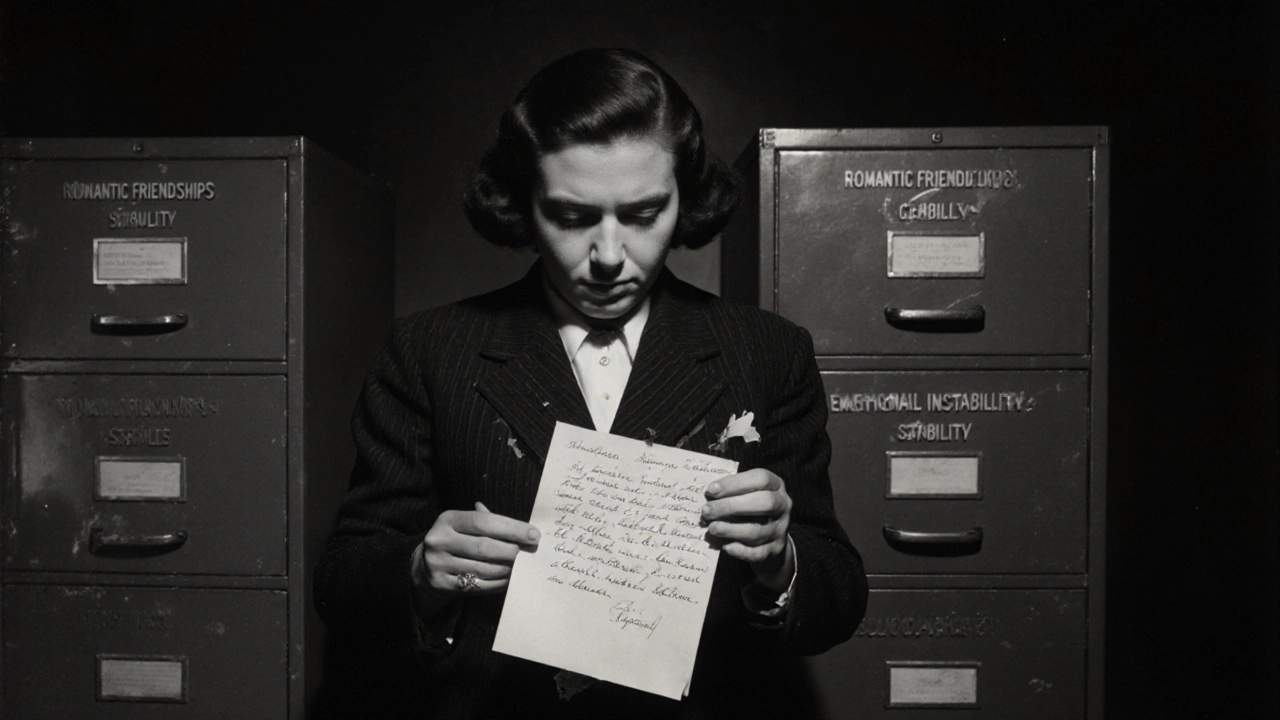
Female-Female Sex in the Archives: Why Lesbianism Was Erased from History
Nov 23 2025 / LGBTQ+ HistoryLesbianism was systematically erased from historical archives through censorship, coded language, and institutional neglect. This is the story of how activists fought back - and why their work still matters today.
VIEW MORE
The Lustful Turk and the Roots of Transgressive Fiction in Victorian Erotica
Nov 22 2025 / LGBTQ+ HistoryThe Lustful Turk, an 1828 erotic novel, pioneered transgressive fiction by blending Orientalist fantasy with graphic sexual violence. It exposed Victorian hypocrisy and shaped centuries of taboo literature - while perpetuating dangerous myths about rape and female desire.
VIEW MORE