Category: History & Culture - Page 4

The Red Queen Hypothesis: Why Sex Persists in a World of Ever-Changing Parasites
Feb 25 2026 / History & CultureThe Red Queen hypothesis explains why sexual reproduction persists despite its costs: parasites drive constant evolutionary change, making genetic diversity through sex a survival necessity.
VIEW MORE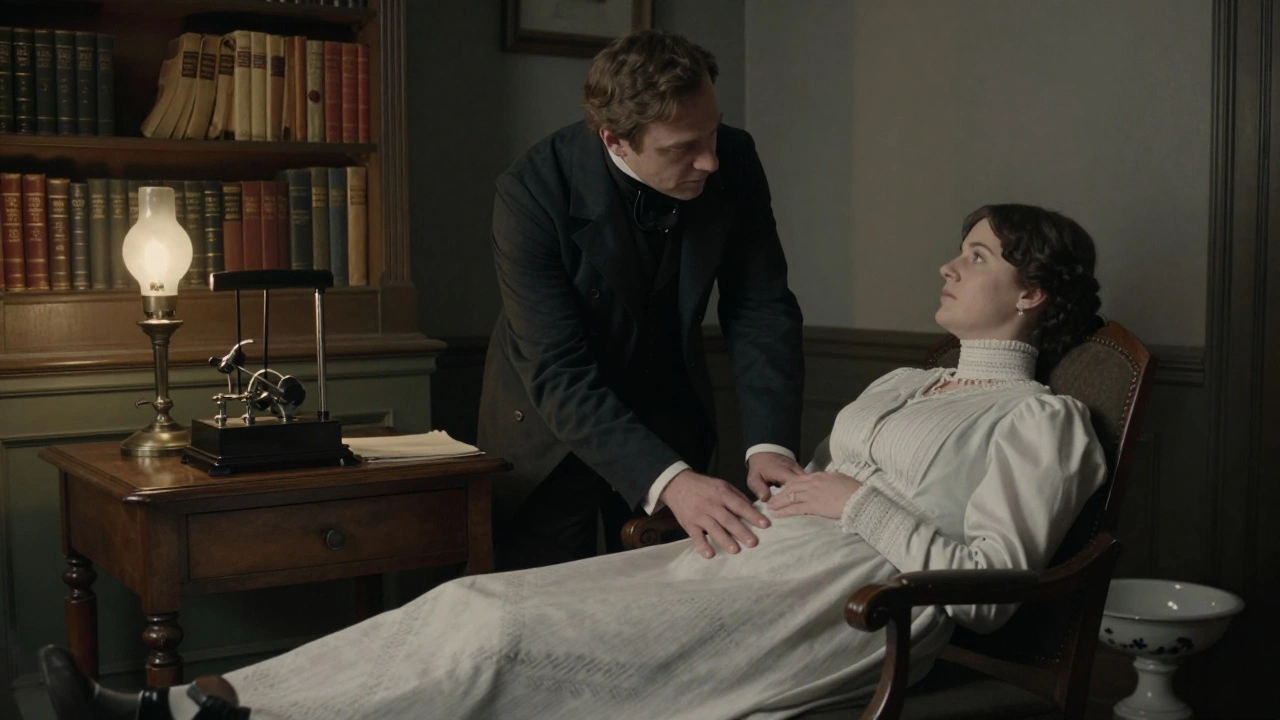
Women’s Pleasure in Victorian Medical Texts: The Truth Behind the Silence
Feb 24 2026 / History & CultureThe myth that Victorian doctors used vibrators to induce orgasms for hysteria is widespread - but false. Real medical texts show they feared female pleasure, performed clitoridectomies, and pathologized masturbation. This is the suppressed truth.
VIEW MORE
Race, Class, and Who Benefited: The Economic Truth Behind the 1960s Sexual Revolution
Feb 22 2026 / History & CultureThe sexual revolution of the 1960s promised freedom, but its benefits were shaped by race and class. Who got the pill? Who got punished? Who got left behind? The real story isn't about love-it's about power.
VIEW MORE
Female Orgasm and Pleasure in Greek Medical Texts and Myth
Feb 19 2026 / History & CultureAncient Greek medical texts described female pleasure as a continuous process, not a single climax. Myths like Tiresias reveal deep cultural recognition of women's sexual power-far from the myths of 'hysteria' treatments that never existed.
VIEW MORE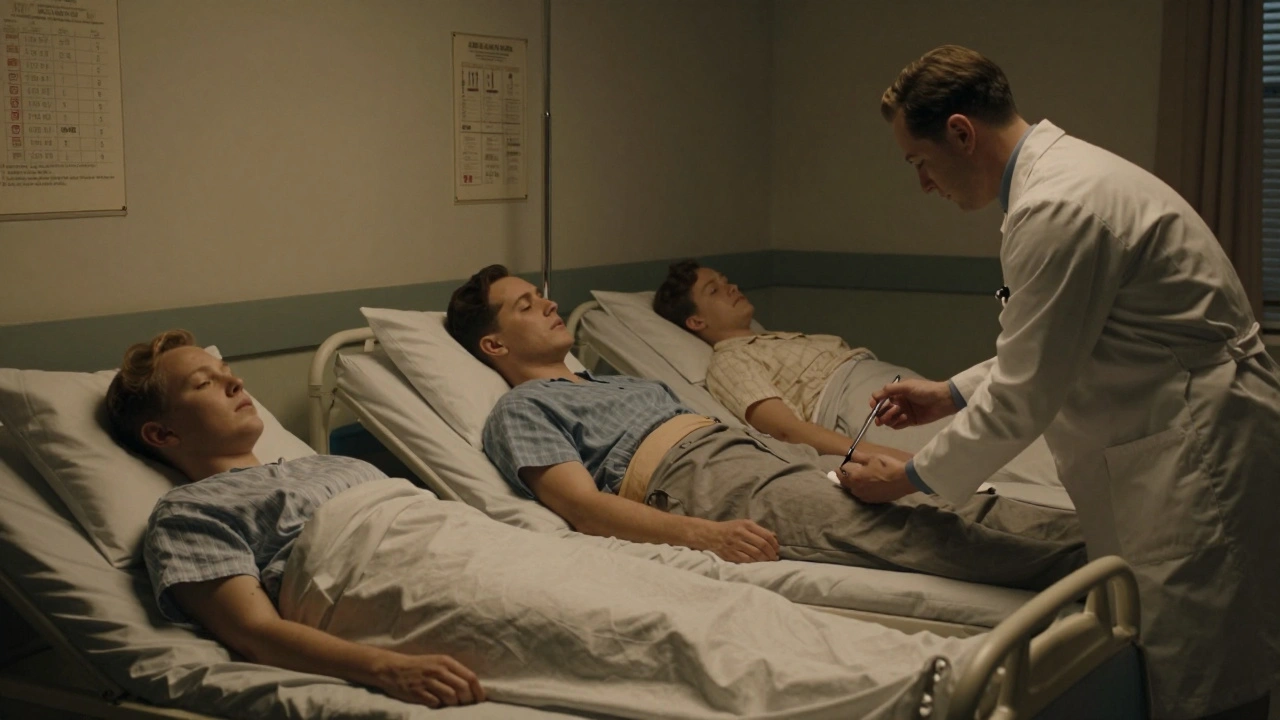
How Penicillin Changed the Course of STI Treatment in the Mid-20th Century
Feb 18 2026 / History & CulturePenicillin revolutionized STI treatment in the 1940s, turning syphilis from a deadly, untreatable disease into a curable infection. Its safety, speed, and lasting effectiveness reshaped public health and set the foundation for modern antibiotic therapy.
VIEW MORE
Before White: The Hidden Meanings Behind Colorful Wedding Dresses Through History
Feb 13 2026 / History & CultureLong before white became the norm, brides wore red, blue, black, and gold - each color carrying deep cultural meaning. This is the forgotten history of colorful wedding dresses and why they disappeared.
VIEW MORE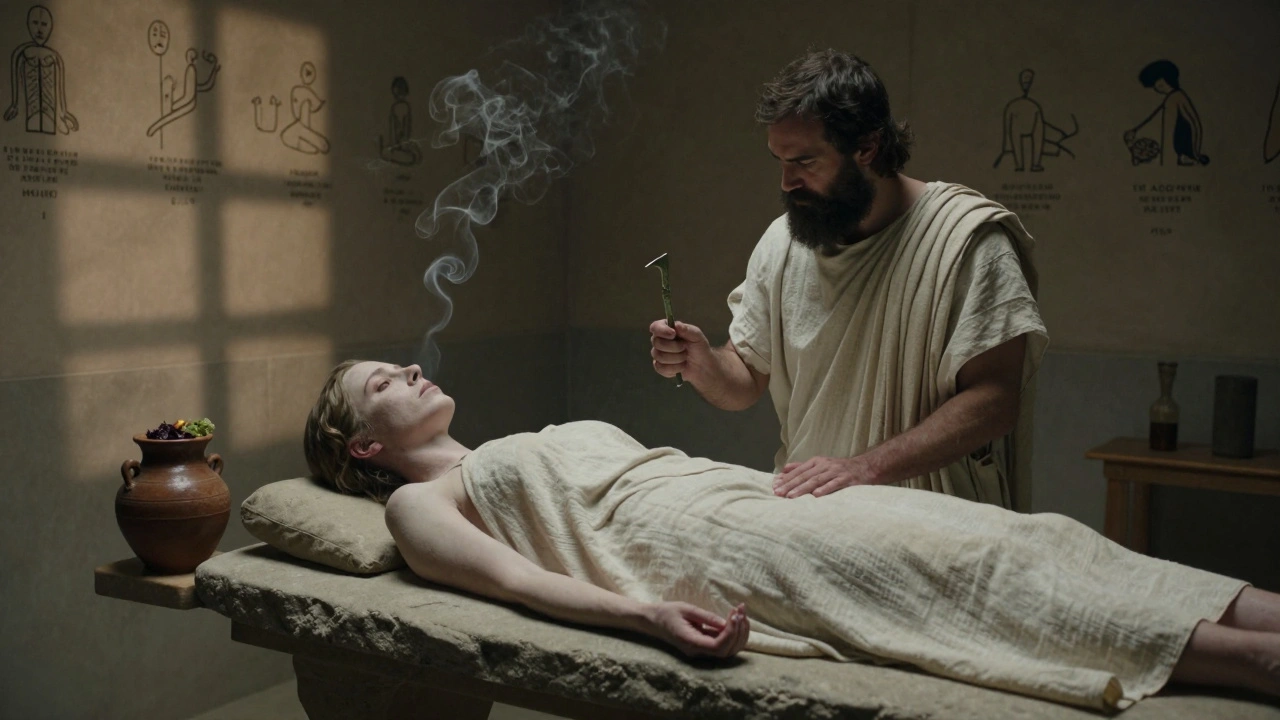
Greek and Roman Medicine: How Menstruation Was Seen as a Dangerous Illness
Feb 12 2026 / History & CultureIn ancient Greece and Rome, menstruation wasn't seen as natural-it was treated as a dangerous illness. Doctors believed women's bodies were full of rotting blood, and without monthly bleeding, death was inevitable. This flawed theory shaped medicine for centuries.
VIEW MORE
Second-Wave Feminism: How Birth Control, Autonomy, and Sexual Rights Changed Women's Lives
Feb 8 2026 / History & CultureSecond-wave feminism transformed women’s lives by fighting for birth control, abortion rights, and sexual autonomy. It won legal victories but left out women of color and the poor - a legacy that still shapes today’s reproductive justice movement.
VIEW MORE
Islamic Prohibitions on Homosexuality: History and Modern Debates
Feb 7 2026 / History & CultureIslamic prohibitions on homosexuality are often seen as fixed and unchanging, but history reveals a far more complex picture shaped by interpretation, colonialism, and modern activism. This article explores the shifting legal, cultural, and theological landscape across centuries.
VIEW MORE
Islamic Prohibitions on Homosexuality: History and Modern Debates
Feb 7 2026 / History & CultureIslamic prohibitions on homosexuality are often misunderstood. The Quran doesn't prescribe punishment, colonial laws shaped modern bans, and progressive Muslims are redefining faith. History reveals a far more complex story than commonly believed.
VIEW MORE
The Real Economics of Brothels in Ancient Near Eastern Cities: Tax, Status, and Regulation
Feb 1 2026 / History & CultureContrary to popular belief, ancient Near Eastern cities like Uruk and Babylon had no state-regulated brothels, temple prostitutes, or taxes on sex work. Evidence from cuneiform texts shows sexual commerce, if it occurred, was informal and unrecorded.
VIEW MORE
Why Sexual Reproduction Won Evolutionary Arms Race Against Asexual Reproduction
Jan 30 2026 / History & CultureSexual reproduction persists despite its higher costs because it generates genetic diversity, helping populations adapt to diseases and environmental changes. Asexual reproduction may be faster, but sex wins in the long run.
VIEW MORE