History & Culture: The Hidden Stories Behind Sex, Power, and Desire
When we talk about History & Culture, the evolving ways societies have understood, controlled, and celebrated human sexuality. Also known as sexual history, it’s not just about what people did in bed—it’s about who had power, who was silenced, and how shame, religion, and science turned pleasure into a moral battleground.
Take gender roles, the unspoken rules that told men to be providers and women to be caretakers. This system wasn’t natural—it was built. Victorian doctors called women’s desire "hysteria," medieval families treated marriage like a business deal, and Roman art showed power, not passion, as the driving force behind sex. These aren’t old stories—they’re the roots of today’s debates over consent, male mental health, and female pleasure. Even the vibrator started as a medical tool to cure "female nervous disorders," not to give women orgasms. That shift—from therapy to pleasure—wasn’t accidental. It was fought for.
And then there’s prostitution history, how societies have both punished and profited from sex work across centuries. From temple priestesses in ancient Mesopotamia to digital escorts today, the trade has always existed—but the laws, the stigma, and the voices of those doing the work have changed dramatically. Meanwhile, consent wasn’t always a legal term. In Hittite law, mutual agreement mattered. In others, a woman’s silence meant permission. The idea that "no means no" is modern—and still not universal. This collection doesn’t just list facts. It shows how sex is never just about sex. It’s tied to money, religion, war, medicine, and who gets to speak.
Here, you’ll find the banned poems that mocked male impotence, the phallic charms Romans wore to protect their babies, and how AIDS reshaped an entire generation’s view of intimacy. You’ll see how Cleopatra’s lipstick wasn’t just makeup—it was a political statement. How a 1968 essay shattered the myth of the vaginal orgasm. How steam-powered machines became the first sex toys. These aren’t footnotes. They’re the real history behind the silence, the shame, and the slow, hard-won shifts toward honesty.
What you’re about to read isn’t a textbook. It’s the unfiltered story of how we got here—and who paid the price for the rules we still live by.
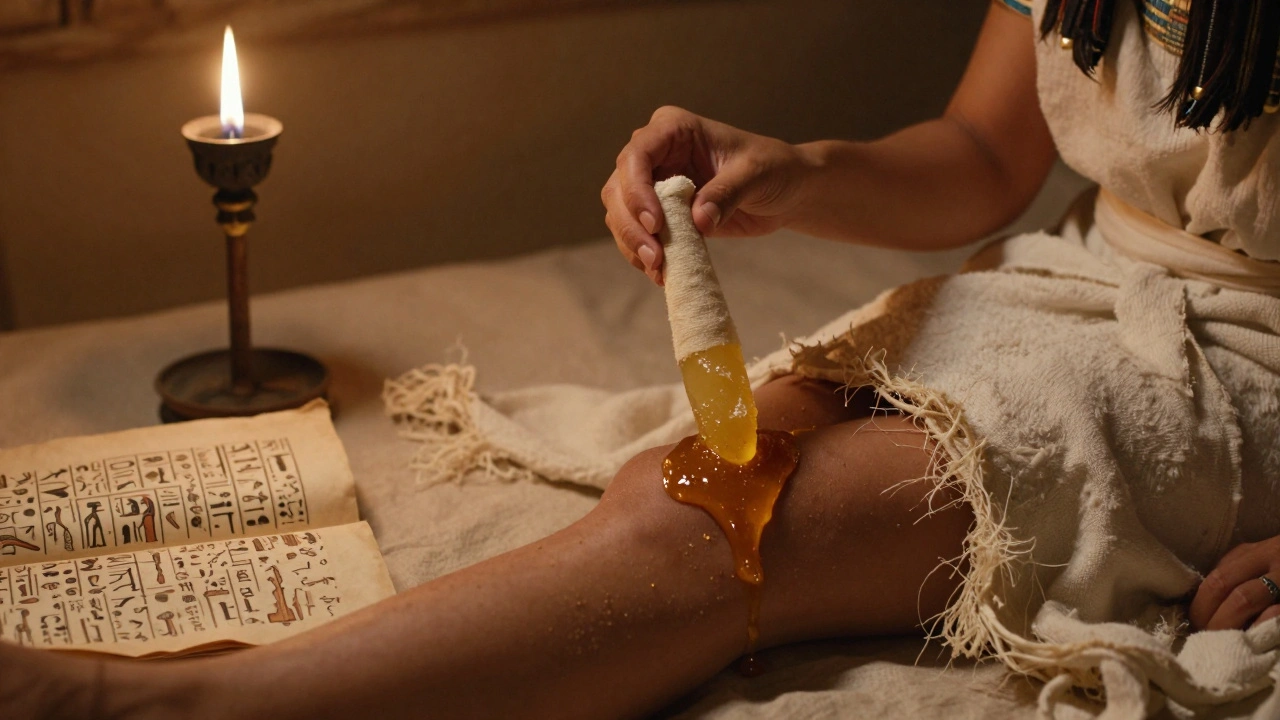
Ancient Birth Control: Pessaries, Poultices, and Early Tampons in Medical Texts
Mar 21 2026 / History & CultureAncient civilizations used honey, acacia gum, sea sponges, and even crocodile dung to prevent pregnancy. These weren’t myths-they were documented medical practices that laid the foundation for modern contraception.
VIEW MORE
The History of Masturbation: From Creation Myth to Medical Concern
Mar 18 2026 / History & CultureFrom ancient creation myths to Victorian medical horrors, the history of masturbation reveals how society’s fear of the body shaped medicine, morality, and modern health science.
VIEW MORE
The Oldest Profession: Prostitution in 2400 BCE Mesopotamia
Mar 17 2026 / History & CultureProstitution in 2400 BCE Mesopotamia was a legal, regulated occupation tied to religion and economy-not just sin or scandal. The Code of Hammurabi protected sex workers, and the Epic of Gilgamesh shows their cultural power.
VIEW MORE
Kāmaśāstra Traditions: How Ancient India Understood Female Pleasure
Mar 16 2026 / History & CultureThe Kama Sutra didn't just describe sex-it gave women the right to pleasure, control, and agency 1,700 years before modern science caught up. This is how ancient India understood female orgasm.
VIEW MORE
Phallic Charms and Fertility Superstitions in Ancient Rome
Mar 14 2026 / History & CultureIn ancient Rome, phallic charms called fascinum were worn by children, carried by generals, and guarded by Vestal Virgins-not for lust, but to ward off the evil eye and ensure fertility. These symbols blended religion, magic, and humor into daily life.
VIEW MORE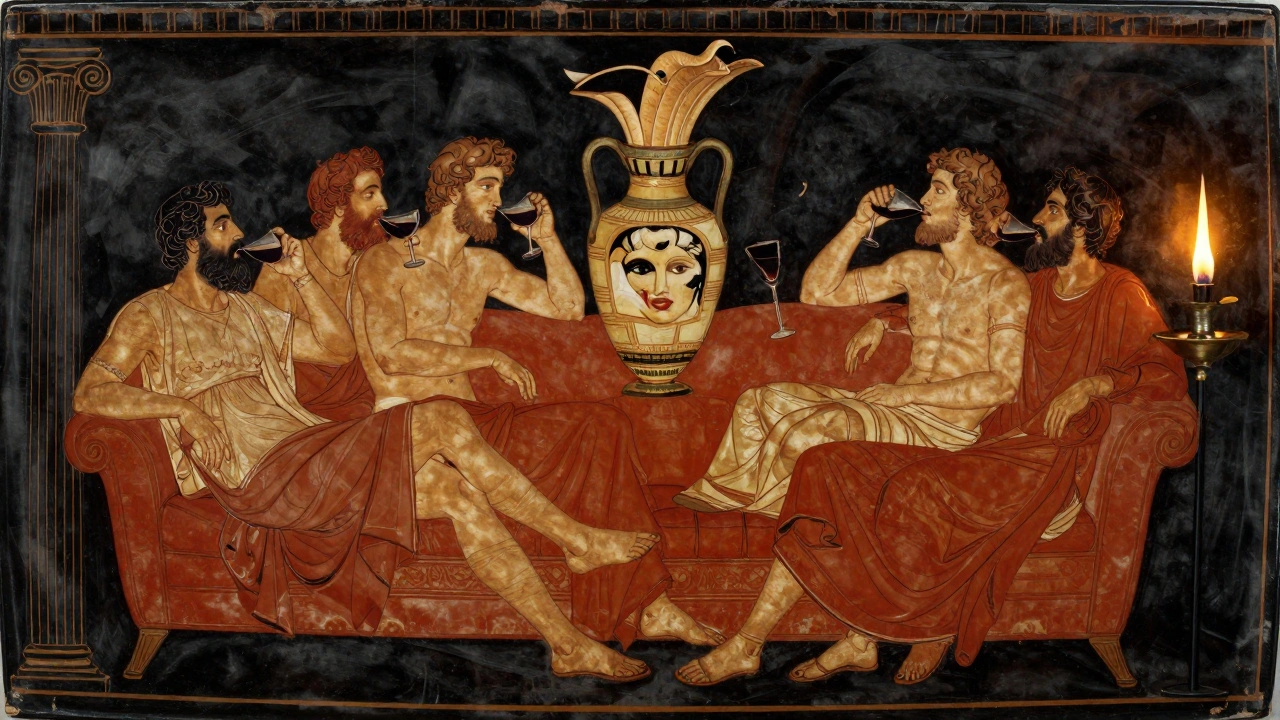
Greek Vase Paintings Reveal Sexual Norms of Ancient Athens
Mar 13 2026 / History & CultureGreek vase paintings reveal how sexuality, power, and social status shaped ancient Athenian life. From symposia to foreign markets, these artworks show desire as structured, not free-offering a raw look at male-male bonds, gender roles, and the art of control.
VIEW MORE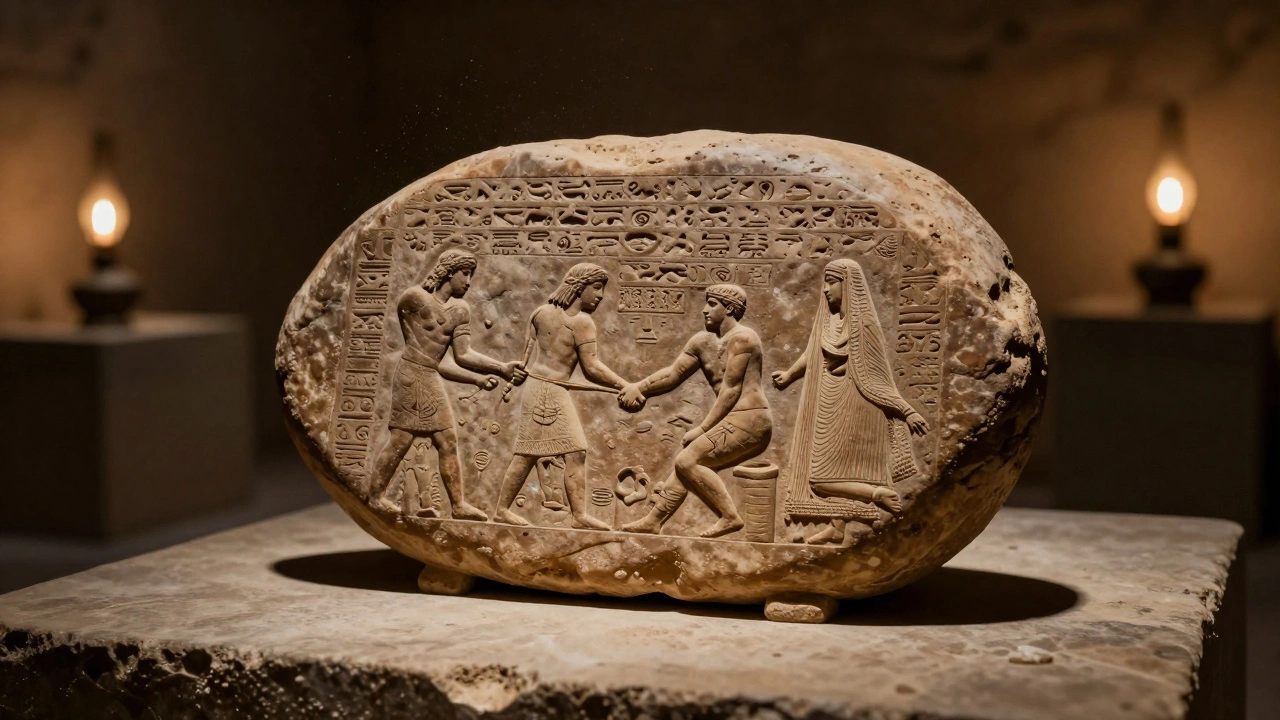
Sexual Transgression and Punishment in Middle Assyrian Law Tablets
Mar 10 2026 / History & CultureThe Middle Assyrian Law Tablets reveal a brutal, gendered legal system where sexual transgressions were punished with execution, mutilation, and forced transformation. These ancient codes expose how power, property, and control shaped justice in one of the world’s earliest empires.
VIEW MORE
Public Penitence and Sexual Shame: How Medieval Rituals Enforced Moral Discipline
Mar 5 2026 / History & CultureMedieval public penance turned sexual sin into a public spectacle, using humiliation, ritual, and gendered control to enforce moral discipline. These practices shaped centuries of shame-and their echoes still linger today.
VIEW MORE
VR Porn and Immersive Tech: The Real Future of Erotic Media
Mar 1 2026 / History & CultureVR porn is no longer a gimmick-it's a $19 billion industry by 2026, driven by immersive tech, subscription models, and AI. Discover how it's reshaping erotic media, user behavior, and ethical challenges.
VIEW MORE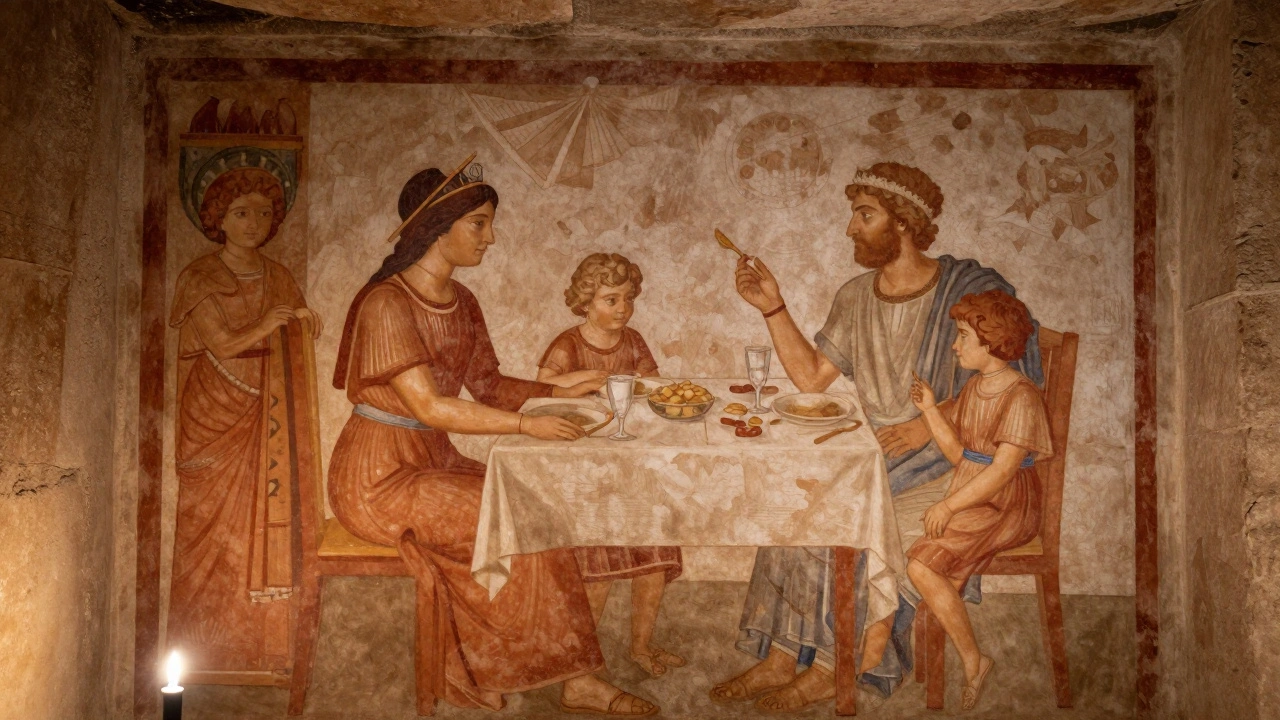
Illegitimacy in Etruria: Why It Wasn’t Stigmatized
Feb 28 2026 / History & CultureEtruscan society treated children born outside marriage with no stigma, unlike Rome. Family ties, maternal authority, and inherited land mattered more than legal marriage. Archaeology reveals a surprisingly open and accepting culture.
VIEW MORE
The Red Queen Hypothesis: Why Sex Persists in a World of Ever-Changing Parasites
Feb 25 2026 / History & CultureThe Red Queen hypothesis explains why sexual reproduction persists despite its costs: parasites drive constant evolutionary change, making genetic diversity through sex a survival necessity.
VIEW MORE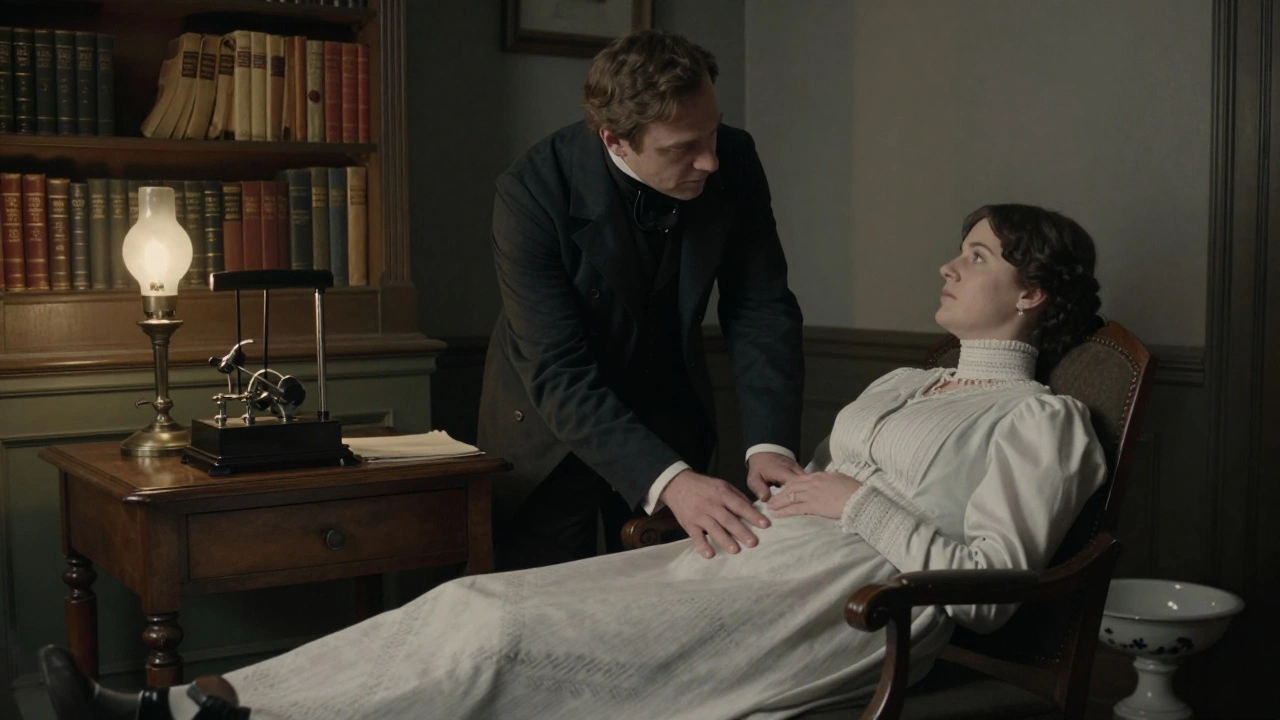
Women’s Pleasure in Victorian Medical Texts: The Truth Behind the Silence
Feb 24 2026 / History & CultureThe myth that Victorian doctors used vibrators to induce orgasms for hysteria is widespread - but false. Real medical texts show they feared female pleasure, performed clitoridectomies, and pathologized masturbation. This is the suppressed truth.
VIEW MORE